
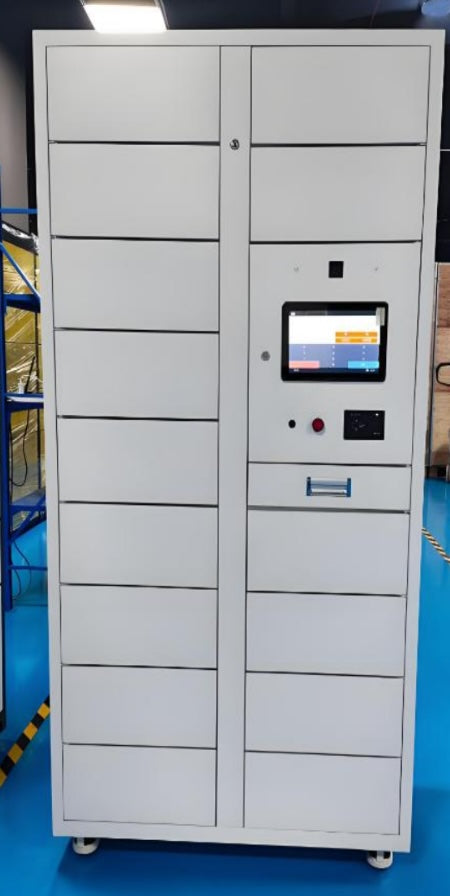
RIFE RFID Smart Medical Inventory Cabinet
Explore Rife Medical’s general RFID-enabled inventory cabinet for healthcare storage projects.
View product →
A practical procurement framework for hospital pharmacy, nursing, biomedical engineering and IT teams evaluating secure fentanyl, narcotics and high-risk medication storage.
Discuss your hospital requirementControlled-drug storage is not only a cabinet purchase. It combines physical security, authorised access, inventory visibility, auditability and integration with the hospital’s operating procedures. Use this guide to define requirements before comparing suppliers. Final specifications should be validated against your hospital policy and applicable regulations.
RFID can identify tagged items without scanning each barcode individually, but accuracy depends on tag selection, antenna design, packaging materials and cabinet configuration. During a pilot, test the exact vials, ampoules and packs used by your hospital.
| Area | Questions for the supplier | Evidence to request |
|---|---|---|
| Audit trail | Can records be searched, exported and protected from alteration? | Sample audit and discrepancy reports |
| Integration | Which APIs or healthcare data standards are supported? | Interface documentation and reference architecture |
| Identity | Can the cabinet use existing staff credentials and directory services? | Supported SSO and badge specifications |
| Cybersecurity | How are data, firmware and remote support protected? | Security documentation, update policy and test reports |
| Continuity | What functions remain available during network or power interruption? | Offline-mode and backup-power demonstration |
Explore Rife Medical’s general RFID-enabled inventory cabinet for healthcare storage projects.
View product →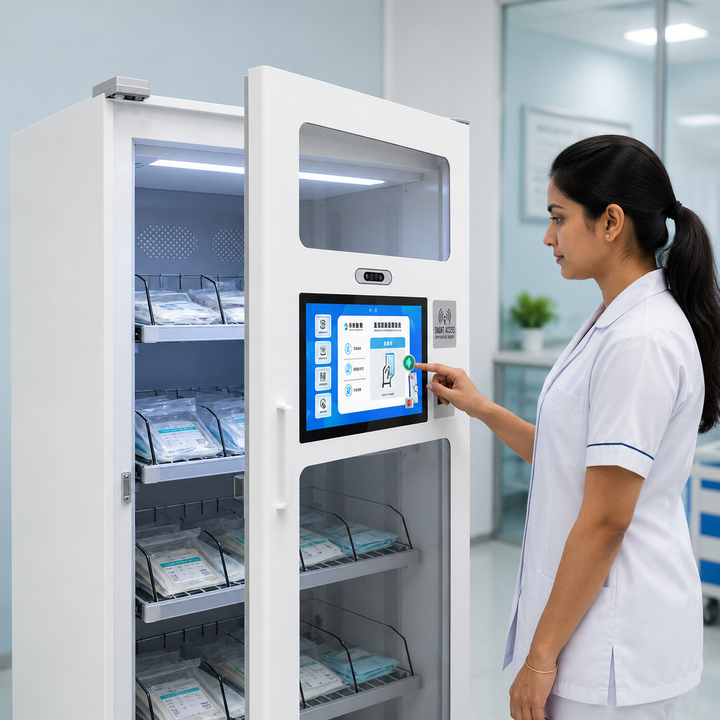
A compact product option to evaluate for controlled-drug workflows where floor space is limited.
View product →Review this larger-format option when capacity and RFID inventory management are key requirements.
View product →Designed as a product option for operating-room and ICU controlled-medication workflows.
View product →Product suitability depends on your workflow, regulations and configured specifications. Contact Rife Medical for current technical information, integration scope and availability.
Begin by documenting the transactions that must move between systems, the source of staff and medicine identifiers, and the required reporting. Ask the supplier for supported APIs or standards, authentication methods and a tested interface plan.
Sometimes, but the decision depends on cabinet construction, antenna placement, electromagnetic performance, locks and software integration. Compare the verified read accuracy, warranty and total project cost of retrofit versus a purpose-built cabinet.
Request a live demonstration of offline operation, local transaction storage, resynchronisation, backup power and emergency access. The downtime procedure should be documented and included in staff training.
RFID supports rapid, non-line-of-sight identification, while barcode is inexpensive and familiar. Many hospitals use a hybrid design based on medication value, risk, packaging and process maturity.
Measure current labour for counts and reconciliation, write-offs from expiry, discrepancy frequency, investigation time and operational risk. Compare these baseline figures with pilot results rather than relying only on supplier estimates.
Ask for the system architecture, encryption approach, user and admin controls, audit-log protection, software-update policy, vulnerability-management process and requirements for remote support.
Rife Medical can help your pharmacy, clinical and IT teams compare cabinet size, access workflow, RFID approach and deployment requirements.
Request a consultation Explore RFID smart inventoryWe are on hand to quickly give you pricing, more information, or help choose the right medical furniture, cart, cabinet, or storage solution for your requirement.