
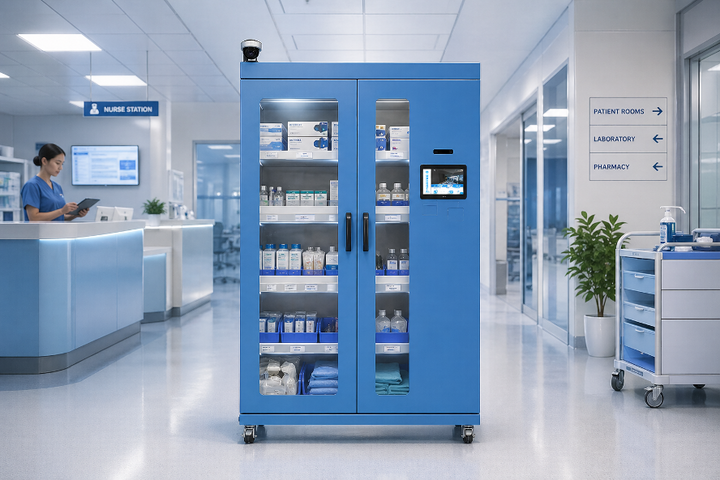
RFID Implant & Device Cabinet
Example item-level RFID application for high-value products.
View product →
Match frequency, form factor, attachment and environmental resistance to the item and reader system.
Discuss your requirementRFID tag selection must be tested as a complete system. Item material, liquids, metal, enclosure, read distance, cleaning and sterilisation can change performance dramatically.
Passive tags suit item identity and bulk inventory without batteries. Active tags support longer-range location but add size, battery and maintenance.
HF/NFC and UHF require different readers and behave differently around materials. Confirm the authorised regional band and device compliance with the supplier.
Choose labels, on-metal tags, hard asset tags, textile tags or high-temperature tags according to surface, handling and removal risk.
Test cleaning chemicals, steam sterilisation, heat, cold, moisture, impact and MRI-area policy where relevant. Supplier ratings do not replace local testing.
Use unique identifiers, controlled commissioning, duplicate prevention and documented replacement. Store changing business data in systems rather than relying only on tag memory.
Example item-level RFID application for high-value products.
View product →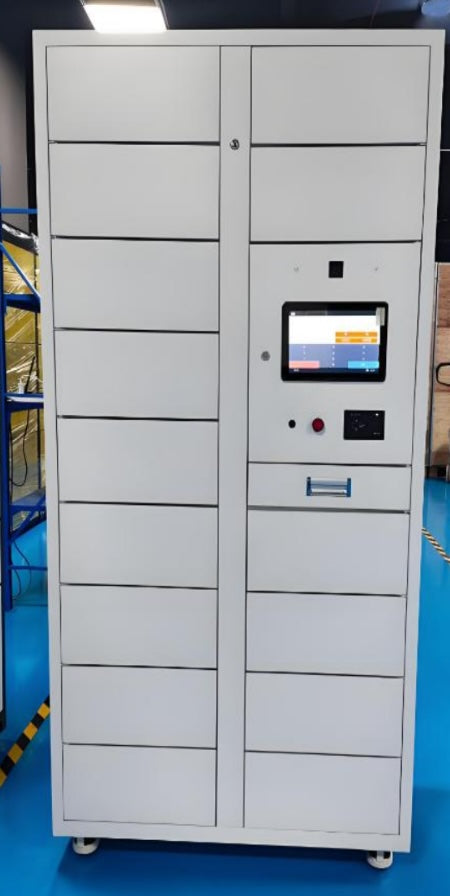
Cabinet application requiring validated item tags.
View product →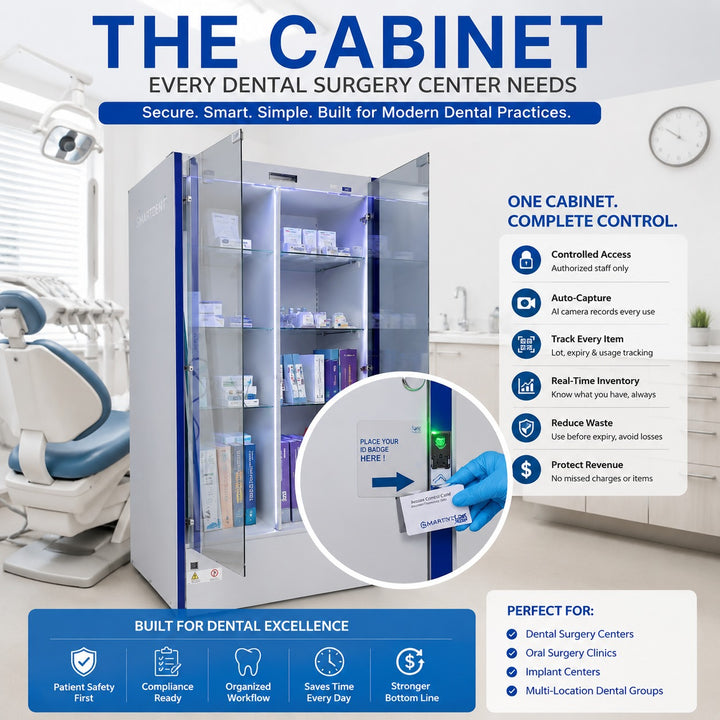
Dental inventory RFID application.
View product →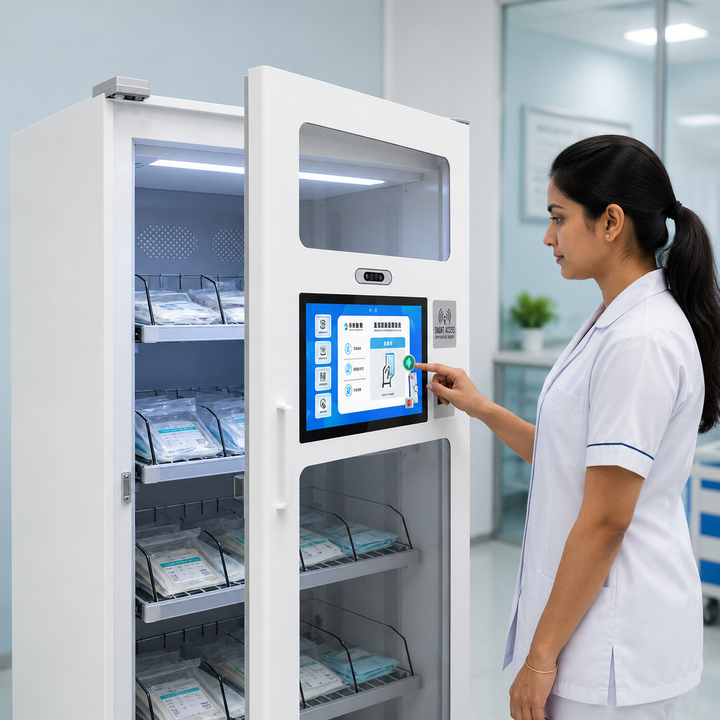
Compact smart-cabinet application.
View product →Use a tag specifically designed for metal and the required sterilisation process, validated on the exact instrument.
Standard labels may fail on metal; on-metal designs are usually required.
Small labels exist, but read performance, packaging and handling must be tested before selection.
They use different frequencies, readers and read characteristics; choose according to range, materials and workflow.
Protocol compatibility does not guarantee application performance; antenna and item testing remain essential.
Sometimes, if identity reassignment, cleaning, attachment and traceability are controlled.
Provide the item material, environment, read range, reader location and cleaning process for tag testing.
Request consultationWe are on hand to quickly give you pricing, more information, or help choose the right medical furniture, cart, cabinet, or storage solution for your requirement.