
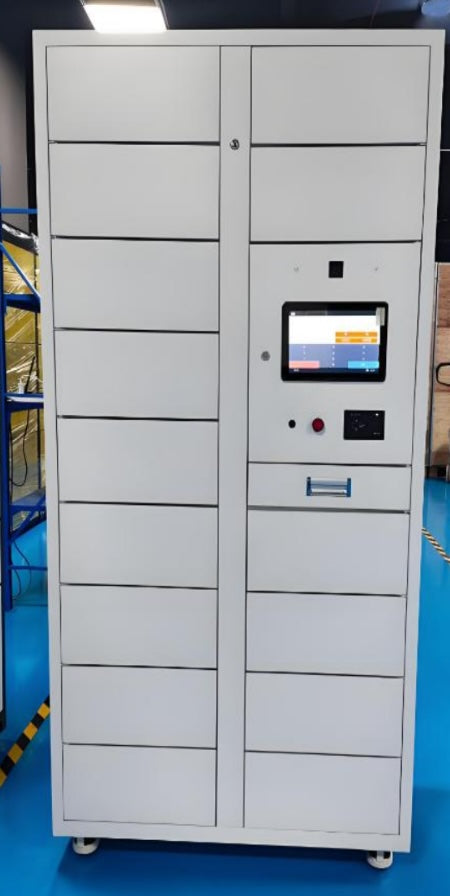
RFID Smart Medical Inventory Cabinet
A smart inventory cabinet that can be evaluated for project-specific integration.
View product →
A hospital buying guide for dependable interfaces, governed data and safe operational adoption.
Discuss your requirementAI integration succeeds when systems agree on identities, timing, responsibility and exception handling. Begin with a bounded operational use case and design the data contract before choosing how the connection will be built.
Identify the HIS, ERP, inventory, asset, identity and reporting systems involved. Document the authoritative source for each key field, including item, location, user, supplier and transaction status.
Specify fields, formats, identifiers, timestamps, update frequency and error responses. Decide how corrections and late-arriving records propagate. Use supported, documented interfaces where available and avoid direct database dependencies.
Use least-privilege service accounts, strong authentication and role-based access. Separate test and production environments. Record configuration changes and make integration activity visible to the hospital security team.
Define what happens during network loss, interface delay, duplicate messages or unavailable source systems. Queue safely where appropriate, prevent duplicate actions and provide staff with clear status and recovery instructions.
Test data completeness, output quality, user interpretation and override processes with representative scenarios. An interface that transfers data correctly can still create a poor decision if context or workflow is missing.
A smart inventory cabinet that can be evaluated for project-specific integration.
View product →
Connected implant and medical-device tracking cabinet.
View product →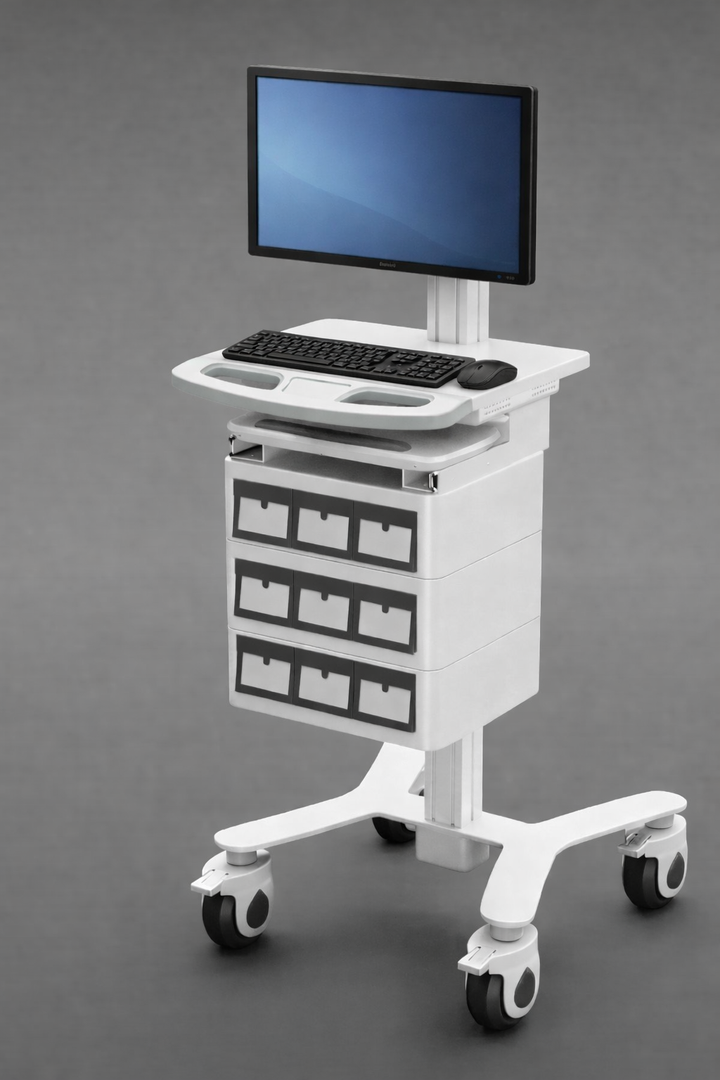
A mobile computing platform; device and software integration must be confirmed.
View product →It depends on the data domain. Assign one authoritative source for each field rather than declaring one system master of everything.
A supported API is often preferable, but the right method depends on system capability, timing and reliability requirements.
Only after a controlled pilot, explicit authorisation, validation and safe rollback. Read-only advisory integration is a sensible starting point.
Use stable identifiers, idempotent processing and reconciliation reports. The data contract should define duplicate and correction behaviour.
Name operational and technical owners, with severity thresholds and escalation times, before go-live.
Use a separate environment, representative test cases and regression checks across interfaces, workflows and AI outputs before production release.
Bring your HIS/ERP landscape, target use case and interface constraints to Rife Technologies for a project-specific integration discussion.
Request consultationWe are on hand to quickly give you pricing, more information, or help choose the right medical furniture, cart, cabinet, or storage solution for your requirement.