
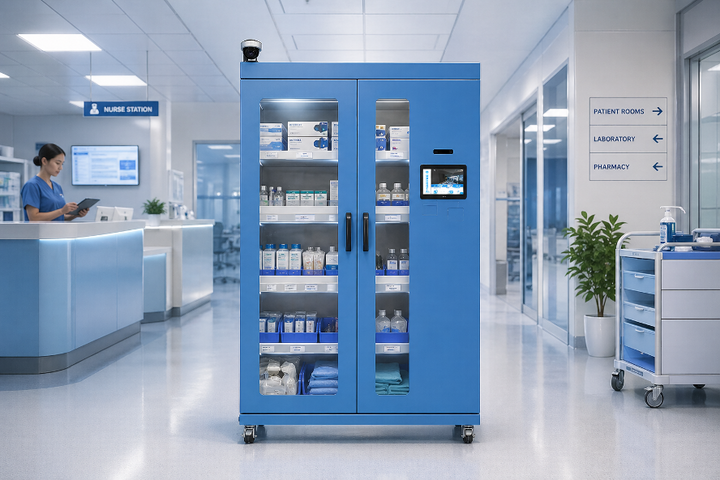
RFID Implant & Medical Device Tracking Cabinet
A dedicated Rife product for evaluating item-level implant and device control.
View product →
Specify security, traceability and inventory controls for implants, devices and costly procedure consumables.
Discuss your storage workflowHigh-value inventory requires more than a locked cupboard. Begin with ownership, access, case reservation, traceability, expiry, billing and exception workflows; then select the cabinet and identification technology.
Evaluate badge, PIN, biometric or multi-factor authentication according to risk. Role-based permissions, compartment-level control, forced-entry monitoring and an auditable emergency-access procedure should be tested during acceptance.
Define how items are reserved for surgery, associated with a case and released if unused. Determine which system owns item, patient, billing and supplier records. Request a demonstrated recall search by lot or serial number before approval.
Where temperature or humidity matters, specify validated sensing and alert rules. Test cabinet operation during power and network interruption, local transaction storage, resynchronisation and emergency access.
A dedicated Rife product for evaluating item-level implant and device control.
View product →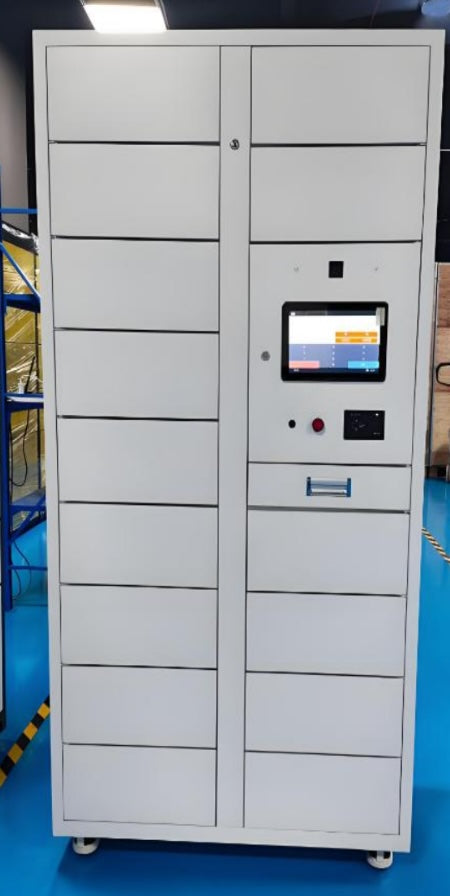
Explore a general healthcare smart-inventory cabinet.
View product →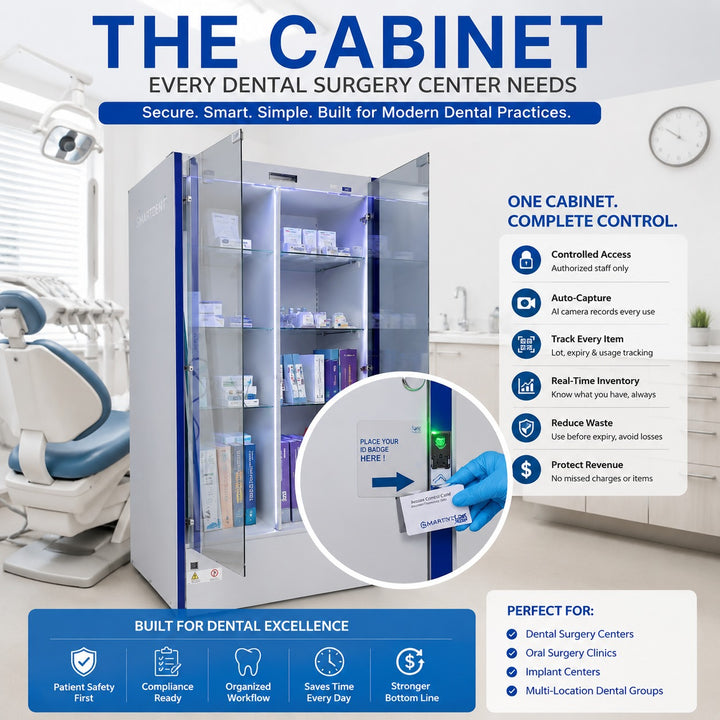
Review an RFID inventory option for dental implants and consumables.
View product →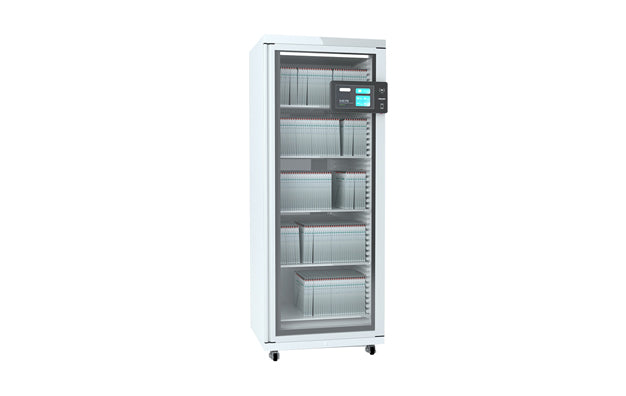
Compare an electronic master cabinet for organised clinical disposables.
View product →Potentially, if the software records ownership and applies the correct replenishment, billing and reconciliation rules. Demonstrate both workflows.
This depends on software and integration. Define reservation, substitution, cancellation and return rules before implementation.
Performance varies with tag, packaging and metal content. Test representative products in the configured cabinet.
Require a documented downtime method, emergency access, local event storage and verified resynchronisation.
Yes when item identity and movement records are captured correctly and connected to the necessary clinical records.
A staged approach is possible when the cabinet, software and identity model are designed for both technologies. Confirm the upgrade path in writing.
Share your item types, ownership model, procedure workflow and integration requirements with Rife Medical.
Request consultationWe are on hand to quickly give you pricing, more information, or help choose the right medical furniture, cart, cabinet, or storage solution for your requirement.