

Multi-Purpose Modular Storage Cabinet
Related configurable storage hardware; specimen controls require project-specific design.
View product →
Design secure hand-off, environmental control and chain-of-custody for laboratory specimens.
Discuss your requirementA specimen locker project begins with the journey from collection to laboratory receipt. Define specimen types, acceptable holding time, temperature, authorised users, courier hand-off and rejection rules before choosing hardware.
Record deposit, identity, compartment, time, collector, courier collection, laboratory receipt and every exception. Decide whether barcode, RFID or both identify the specimen.
Use role-based access and compartment sizing that prevents accidental access to unrelated specimens. Define emergency and failed-authentication procedures.
Separate ambient, refrigerated and other validated conditions. Temperature monitoring, alarms and calibration must match specimen policy.
Define LIS or HIS interfaces, expected collection times, overdue alerts, rejected specimens and downtime reconciliation.
Locate lockers to support secure one-way hand-off, cleaning, spill response, power, network and courier access without blocking clinical circulation.
Related configurable storage hardware; specimen controls require project-specific design.
View product →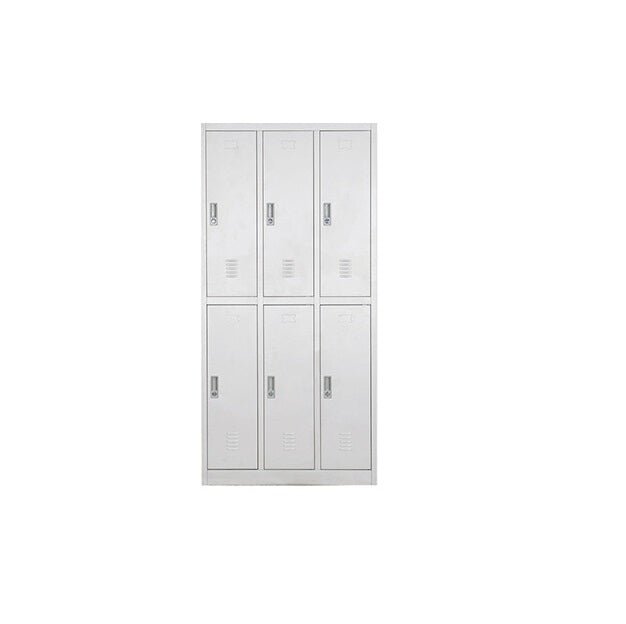
Related cabinet format for storage planning.
View product →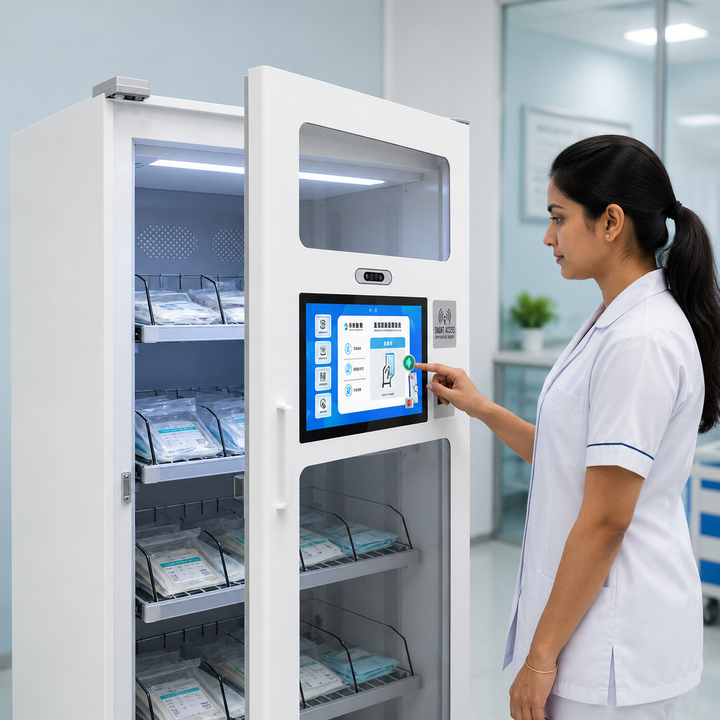
Example compact electronically controlled cabinet; specimen suitability must be configured.
View product →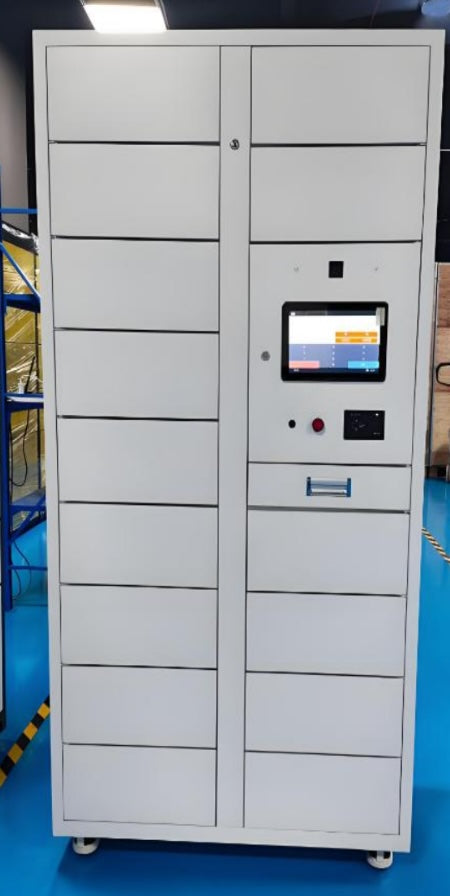
Related RFID cabinet technology for controlled inventory.
View product →Potentially, through supported interfaces and a defined identifier and status model.
Only with separately engineered, validated and monitored compartments.
Set time-based alerts and an escalation procedure that protects specimen stability.
Choose according to the collection workflow, packaging and read requirements; a hybrid may be appropriate.
Record authenticated deposit and collection events, overrides and compartment openings in protected logs.
Use validated environmental backup, local event storage and a documented manual process.
Provide specimen types, volumes, holding times, temperature classes and LIS requirements for a locker concept.
Request consultationWe are on hand to quickly give you pricing, more information, or help choose the right medical furniture, cart, cabinet, or storage solution for your requirement.