
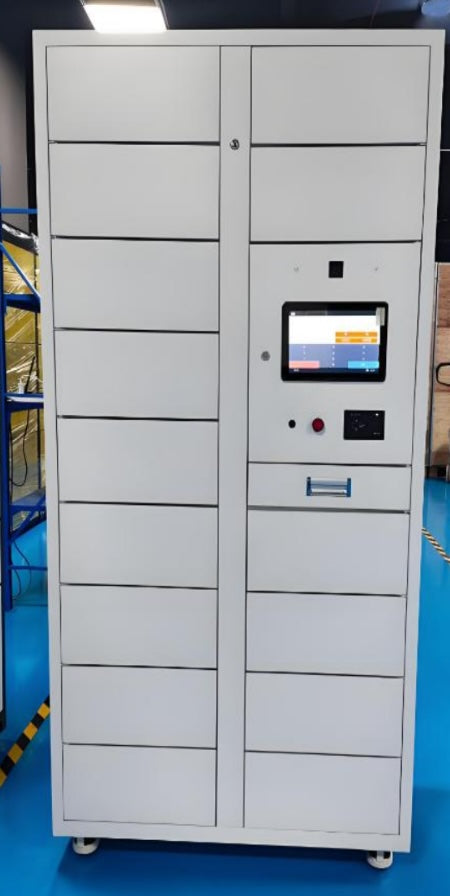
RFID Smart Medical Inventory Cabinet
A connected inventory endpoint that may support project-specific data integration.
View product →
A governance-first framework for selecting AI that supports hospital operations without creating opaque risk.
Discuss your requirementAn operational AI platform may help forecast demand, prioritise tasks or identify exceptions across hospital workflows. Buy the decision process, data controls and measurable outcome—not the label. Every use case needs a named owner, human review and a safe fallback.
Define a narrow use case such as replenishment prioritisation, equipment availability or maintenance triage. State the current baseline, decision owner, required response time and measurable outcome before evaluating vendors.
Map source systems, identifiers, update frequency, missing data and data quality ownership. Ask how the platform handles late, duplicated or conflicting records. Prefer documented interfaces and reversible integration over brittle one-off connections.
Specify which outputs are advisory, who reviews them and when staff may override them. Users need understandable reasons, confidence or uncertainty indicators where appropriate, and a clear route to report incorrect recommendations.
Classify the data involved, minimise collection and define access, retention, encryption, logging and incident response. Operational tools should not drift into clinical decision-making unless they are separately governed and validated for that purpose.
Measure accuracy in the context of the operational outcome, including false alarms and missed events. Monitor performance across locations and time. Require version records, testing, rollback and approval before material model or workflow changes.
A connected inventory endpoint that may support project-specific data integration.
View product →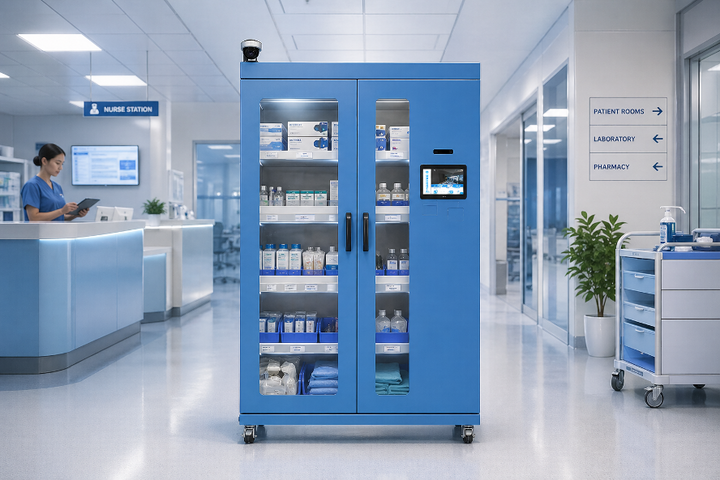
Smart storage for implant and medical-device tracking workflows.
View product →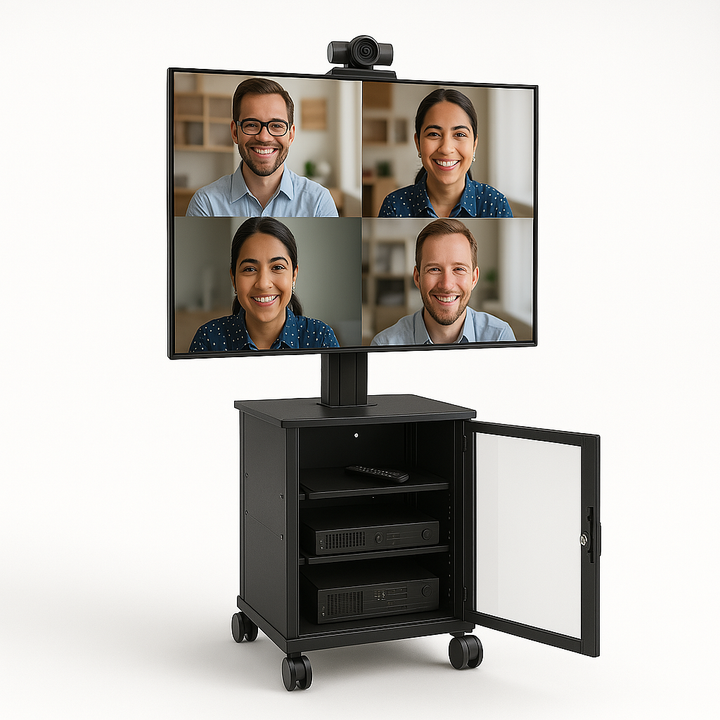
A mobile digital-care workstation; integrations should be confirmed per project.
View product →No. Operational AI supports workflows such as stock, assets or maintenance. Keep it out of clinical decision-making unless separately governed for that use.
Usually begin with advisory or shadow mode. Automation should follow evidence, defined thresholds and safe exception handling.
A well-defined outcome with accountable ownership. Without it, technical feature comparisons are difficult to evaluate.
Use representative local data and measure both incorrect alerts and missed events against the operational outcome.
Only data needed for the agreed purpose and retention period. Define ownership, permitted use, deletion and audit rights contractually.
Require documented interfaces, usable data exports, configuration records and an agreed exit and deletion process.
Discuss your operational use case, data sources and governance requirements with Rife Technologies before specifying any AI-enabled integration.
Request consultationWe are on hand to quickly give you pricing, more information, or help choose the right medical furniture, cart, cabinet, or storage solution for your requirement.