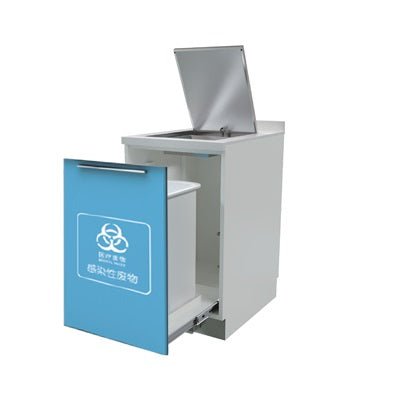

- Product Name: Manual Waste Cabinet
- Model Number: RMGWW221-C
- Dimensions: L500*W670*H850mm
- Material: Cold-rolled steel, Stainless steel, Aluminum alloy
Frequently Asked Questions
What are the benefits of using a manual waste cabinet in a medical 6S nursing unit?
Implementing a manual waste cabinet like the RMGWW221-C within a 6S nursing unit management framework significantly enhances organizational efficiency by creating a scientific and reasonable treatment space. These cabinets facilitate the Sort, Set in order, Shine, Standardize, Sustain, and Self-discipline methodology by providing a dedicated area for waste and equipment, which reduces environmental clutter and streamlines the workflow for healthcare providers. By integrating flexible accessories, nursing units can achieve a more disciplined storage environment that directly supports high-quality patient care and operational excellence.
Which materials are best for hospital waste cabinets like the RMGWW221-C model?
High-quality hospital waste cabinets are typically constructed from a combination of cold-rolled steel, stainless steel, and aluminum alloy to ensure maximum durability and hygiene. The RMGWW221-C model utilizes these materials because they offer superior resistance to corrosion and are easy to disinfect, which is critical for maintaining sterile medical environments. Cold-rolled steel provides the necessary structural integrity for heavy daily use, while stainless steel and aluminum alloy components offer a lightweight yet robust finish that prevents rust and withstands harsh chemical cleaning agents.
What are the standard dimensions for a clinical manual waste cabinet to optimize space?
A clinical manual waste cabinet designed for optimal space management usually follows ergonomic dimensions, such as L500mm by W670mm by H850mm. These specific measurements, found in the RMGWW221-C model, are engineered to fit seamlessly into standardized medical treatment rooms without obstructing the movement of medical staff. The height of 850mm is particularly effective for integration under standard countertops or as a standalone unit that remains within a comfortable reach for nurses, thereby supporting a more ergonomic and functional workspace.
How does a medical waste cabinet improve nursing workflow and reduce management errors?
A medical waste cabinet improves nursing workflow by establishing clear zoning and a rational allocation of functions, which minimizes the time staff spends on repetitive or unnecessary movements. By providing a standardized storage space for drugs, equipment, and waste, the RMGWW221-C helps eliminate management confusion that often leads to clinical errors. When every item has a designated, logical place, medical staff can perform their duties with greater precision, significantly reducing the cognitive load and physical exhaustion associated with disorganized medical environments.
Why is standardized zoning important for medical equipment and waste management cabinets?
Standardized zoning in medical equipment and waste management cabinets is essential because it ensures that different categories of supplies and waste are kept separate and easily identifiable. The design of the RMGWW221-C focuses on this functional partitioning to prevent cross-contamination and to ensure that equipment is always stored in a predictable location. This level of organization is vital for fast-paced medical settings where quick access to tools and safe disposal of waste are necessary to maintain safety protocols and improve the overall speed of medical equipment treatment.
Product Purpose
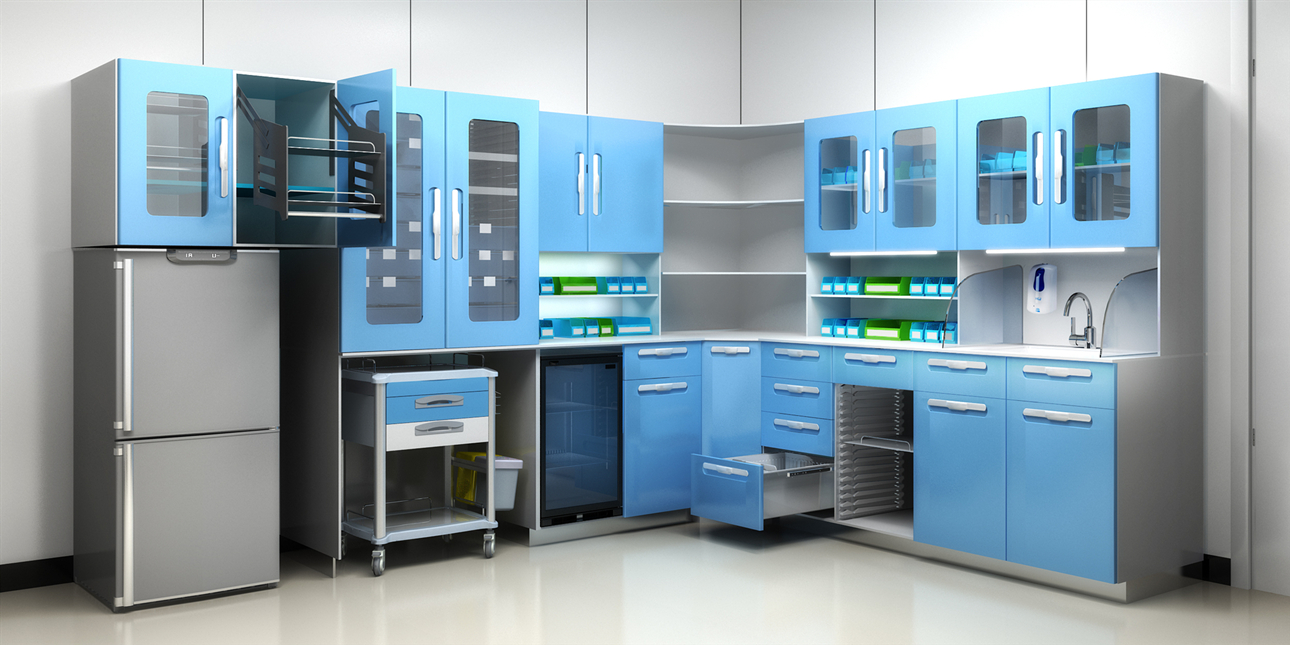
Create a more scientific and reasonable medical equipment treatment space, through the flexible operation of accessories, to achieve 6 S of nursing unit management. Clear zoning, rational allocation of functions, reduce the duplication of medical staff, reduce management confusion caused by errors, standardized storage space for drugs and equipment.