
Passive RFID
Low-maintenance tags activated by a reader. Useful for inventory checks and movement through controlled read points.

A phased framework for tracking mobile equipment, clinical assets and reusable inventory without disrupting patient care.
Discuss an RFID pilotAn RFID project should begin with a clearly defined operational problem—not a tag purchase. Decide whether you need periodic inventory, doorway-level movement history, room-level location or near-real-time positioning; each objective requires a different architecture.
Low-maintenance tags activated by a reader. Useful for inventory checks and movement through controlled read points.
Battery-powered tags that transmit periodically. Consider when frequent location updates are required.
Use different technologies for different asset classes while maintaining a common inventory record.
Walk the facility with biomedical, nursing, IT and infection-control teams. Identify stores, wards, lifts, exits, maintenance areas and clinical rooms. Metal, liquids, walls, equipment density and staff movement can affect performance, so a physical site survey is essential.
Clarify which platform is the system of record and how RFID events reach the CMMS, ERP or hospital asset register. Use role-based access, retention rules, audit logs and network segmentation. Track equipment—not staff or patients—unless a separately governed and lawful use case exists.
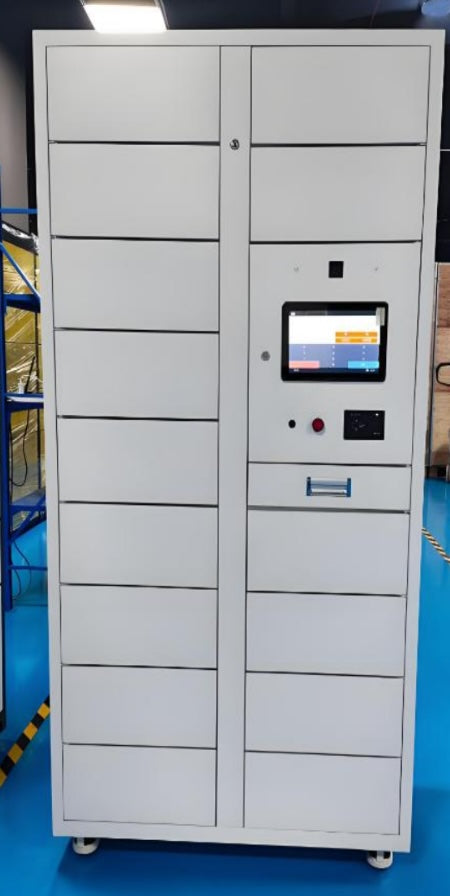
For cabinet-level identification and inventory visibility.
View product →Explore Rife Medical’s healthcare RFID solution overview.
Explore RFID solutions →Review available inventory solutions for hospitals and clinics.
View collection →Browse mobile equipment categories that may form part of an asset-management programme.
View medical carts →It depends on the required location accuracy and update frequency. Passive readers at defined zones may be enough for movement history; active technology is more suitable for frequent location updates.
Yes when the RFID platform and CMMS offer suitable interfaces. Define asset identity, event ownership and maintenance triggers before integration.
Long enough to include normal peaks, transfers, cleaning and maintenance cycles. Many projects need several weeks of representative operation rather than a short demonstration.
Conduct a site survey, test representative equipment, tune reader placement and power, and validate results in normal operating conditions.
Sometimes, if the tag frequency, identity model and reader architecture are compatible. Validate the complete workflow with the supplier.
Track search time, rental or emergency purchase, loss, utilisation, maintenance compliance and staff time before and after the pilot.
Share the asset types, departments and desired location accuracy with Rife Medical.
Request consultationWe are on hand to quickly give you pricing, more information, or help choose the right medical furniture, cart, cabinet, or storage solution for your requirement.