
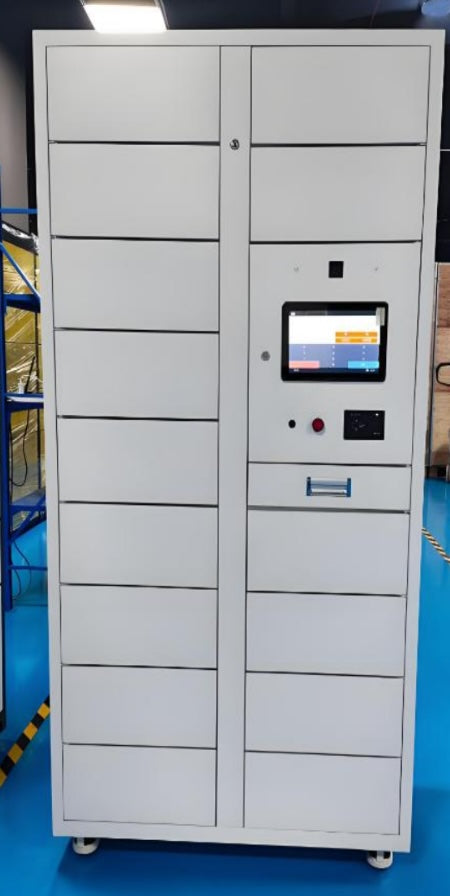
RFID Smart Medical Inventory Cabinet
A connected cabinet whose deployment should follow the hospital's endpoint controls.
View product →
A procurement checklist for smart cabinets, carts and other networked clinical furniture.
Discuss your requirementConnected furniture extends the hospital's digital boundary into wards, pharmacies and procedure areas. Treat every cabinet or cart as an endpoint: inventory its components, limit its access, monitor it and plan how it will be maintained and retired.
Record hardware, operating system, applications, interfaces, sensors and data types. Determine whether it processes identities, medication or inventory records, and whether it can affect locks or other physical functions.
Require unique accounts where feasible, role-based privileges, strong administrator controls and a defined credential recovery process. Disable unused accounts and services. Avoid shared default passwords.
Specify encryption for data in transit and at rest where applicable, secure key management, network segmentation and minimum required connectivity. Document cloud regions, subprocessors, retention and deletion.
Log authentication, administrative changes, access events and security-relevant failures with reliable timestamps. Agree how logs are exported and reviewed. Define notification, containment, evidence preservation and recovery responsibilities.
Ask for a component inventory, supported software life, vulnerability intake process, security-update method and expected response by severity. Updates should be authenticated, tested and reversible where practical.
A connected cabinet whose deployment should follow the hospital's endpoint controls.
View product →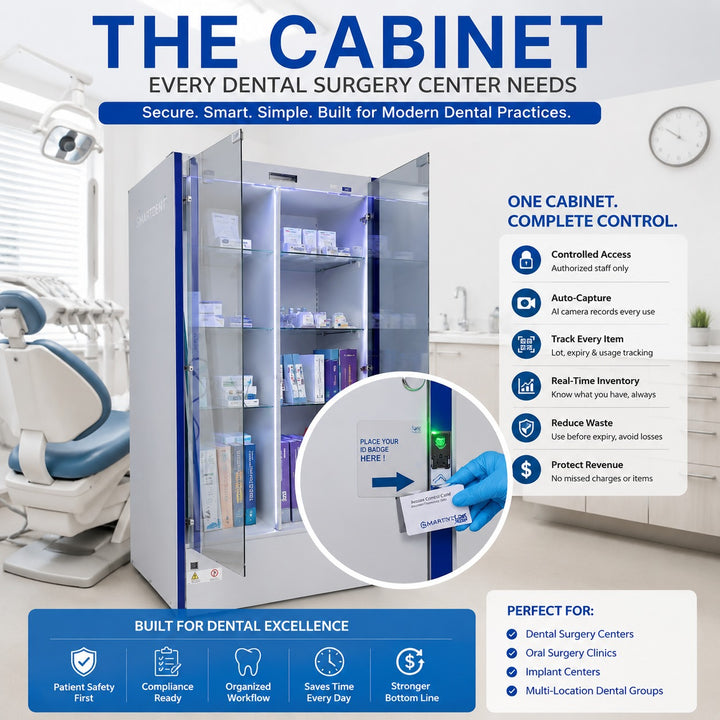
Smart dental inventory storage for project-specific governance review.
View product →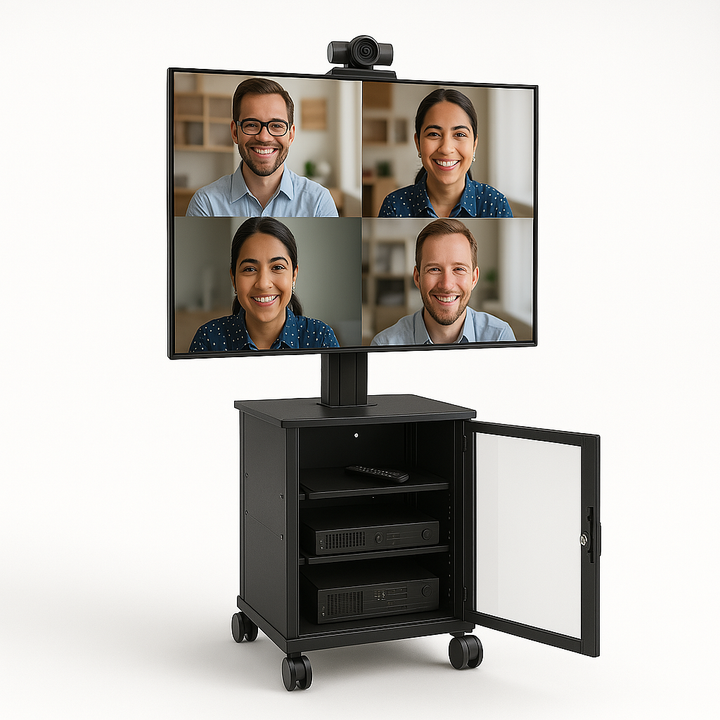
A mobile connected workstation requiring local IT and privacy assessment.
View product →It should be. Record ownership, hardware, software, network identity, data types and support status.
Network placement is an IT security decision. Segmentation and minimum required access are commonly appropriate.
At minimum, relevant authentication, administrative change, access and failure events, with synchronised timestamps and an export method.
Based on risk, vendor guidance and hospital policy. The contract should define support life and security-response expectations.
Only authorised roles with a defined purpose. Access should be reviewable and removed when no longer needed.
Export required records, revoke credentials, remove the device from inventories and securely delete data before disposal or transfer.
Ask Rife Technologies for the product-specific connectivity, data and support details your IT security review requires.
Request consultationWe are on hand to quickly give you pricing, more information, or help choose the right medical furniture, cart, cabinet, or storage solution for your requirement.