

Multi-Purpose Modular Storage Cabinet with Sink and Drawers
A modular clinical storage and work-surface option.
View product →
A practical framework for faster retrieval, reliable replenishment and cleaner point-of-care storage.
Discuss your requirementWard and ICU cabinets should reduce search time without weakening infection prevention or stock control. A good design starts with the clinical workflow, then matches modules, materials, access and replenishment rules to it.
Catalogue daily-use consumables, emergency items, controlled stock and bulky packs. Record who retrieves and replenishes them, at what frequency, and during which shift. Separate clean supplies from returns, waste and patient belongings.
Wall, base, tall and mobile modules solve different problems. Use tall units for high-volume storage, base units near work surfaces and mobile units where supplies follow care. Preserve visibility, reach and circulation around beds and equipment.
Adjustable shelves suit changing pack sizes; drawers and bins improve small-item access. Use clear labels and fixed locations for standard stock. Avoid deep compartments that hide expiry dates or require staff to unload one item to reach another.
Specify smooth cleanable surfaces, sealed or protected edges, compatible hardware and corrosion resistance for the cleaning regime. Ask suppliers to identify cleaning-agent limitations. High-touch handles and drawer pulls should be easy to disinfect.
Open storage supports fast routine access; locks suit high-value or restricted stock. Define min-max levels, replenishment ownership and expiry rotation. Electronic access or inventory features should be chosen only when the operational benefit is clear.
A modular clinical storage and work-surface option.
View product →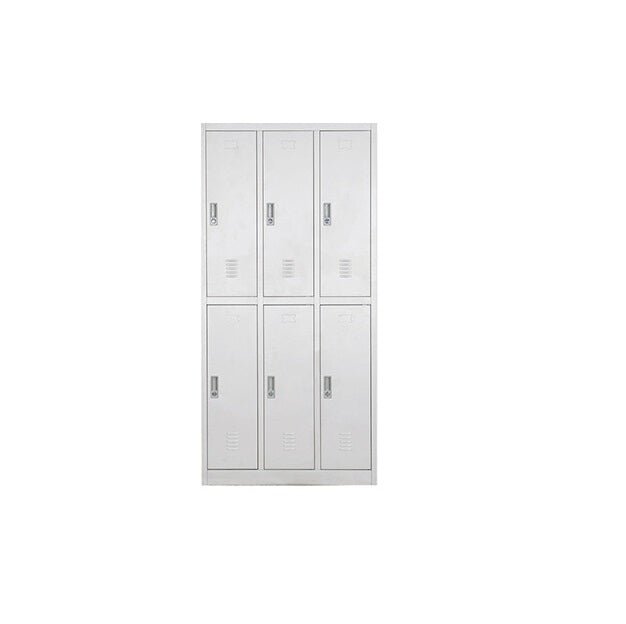
Enclosed storage for organised ward supplies.
View product →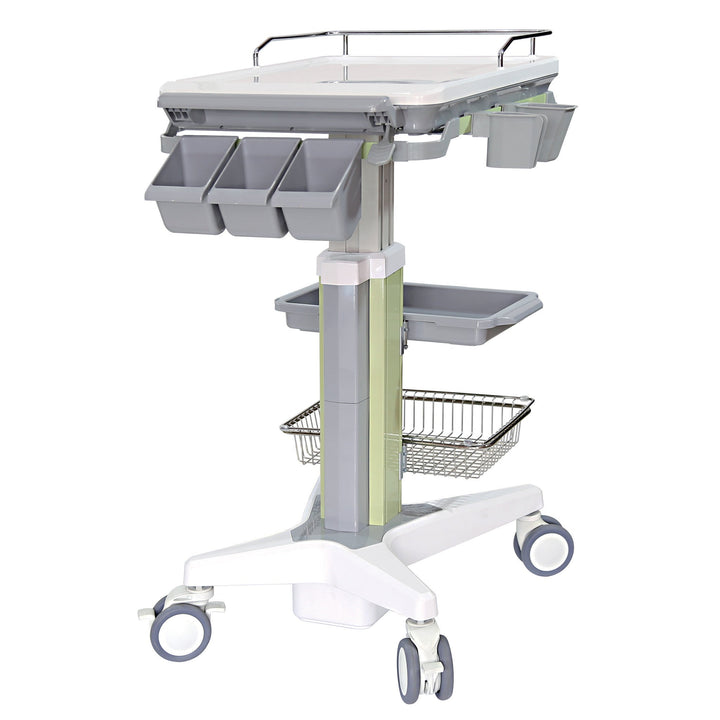
Mobile point-of-care storage for treatment workflows.
View product →They are useful when layouts or stock profiles may change. The best choice still depends on cleaning, durability, anchoring and lifecycle support.
Visibility can speed stock checks, but privacy, light exposure and cleaning also matter. Evaluate the actual items and local policy.
Use real pack dimensions, daily consumption, replenishment frequency and required reserve stock rather than room dimensions alone.
No. Restrict only stock that needs security or governance, because unnecessary locks can slow care.
Yes, as a project-specific workflow. Define whether you need location, user, batch, expiry or item-level records before selecting technology.
Clinical users, materials management, infection prevention, facilities and safety stakeholders should jointly approve it.
Send Rife Technologies your ward layout, item list and replenishment process for a cabinet configuration review.
Request consultationWe are on hand to quickly give you pricing, more information, or help choose the right medical furniture, cart, cabinet, or storage solution for your requirement.