
Tray-level
Lower tagging complexity; supports location, cycle and completeness checks at the set level.

Plan identification, traceability and exception control across decontamination, assembly, sterilisation, sterile storage and theatre use.
Discuss a CSSD workflowInstrument tracking is a process redesign supported by technology. Begin with tray identity, accountability and transition points; then decide whether barcode, RFID or a hybrid method is appropriate for individual instruments, trays and loan sets.
At every hand-off, define who confirms the event, what exception is recorded and which system owns the record.
Lower tagging complexity; supports location, cycle and completeness checks at the set level.
Provides detailed identity and usage history but requires suitable marking or tags and disciplined scanning or reading.
Track high-value or critical instruments individually and other items through the tray record.
The system should present the expected tray list, support count confirmation, record missing or substituted instruments and stop an incomplete critical tray from progressing without authorised review. Build repair, quarantine, loaner and urgent-turnaround workflows into the design.
Start with a manageable family of frequently used, high-value trays. Test normal processing, loaners, missing items, damaged tags, rework, emergency release and system downtime. Expand only after CSSD and OT teams agree the workflow is reliable.
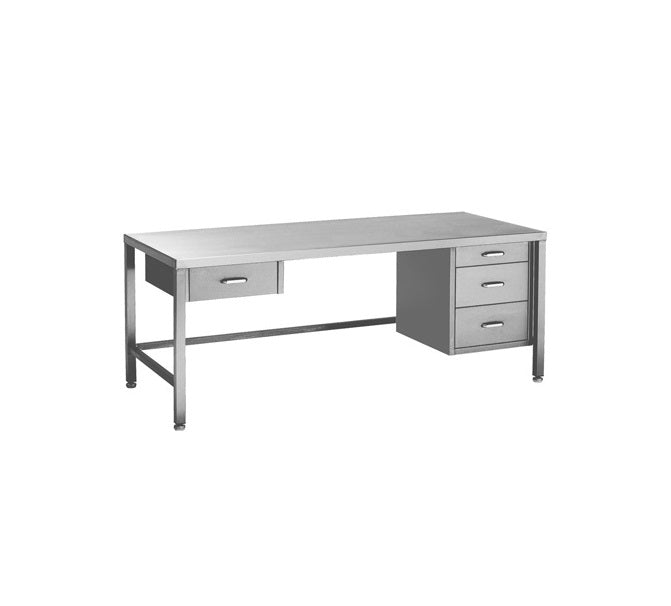
A workstation option for preparation and packing workflows.
View product →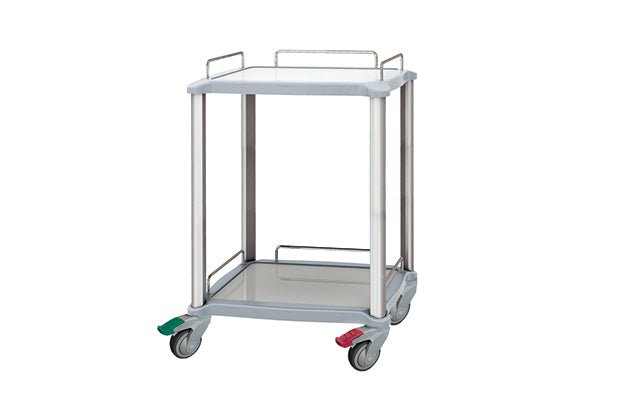
Review for OT and procedure-room instrument movement.
View product →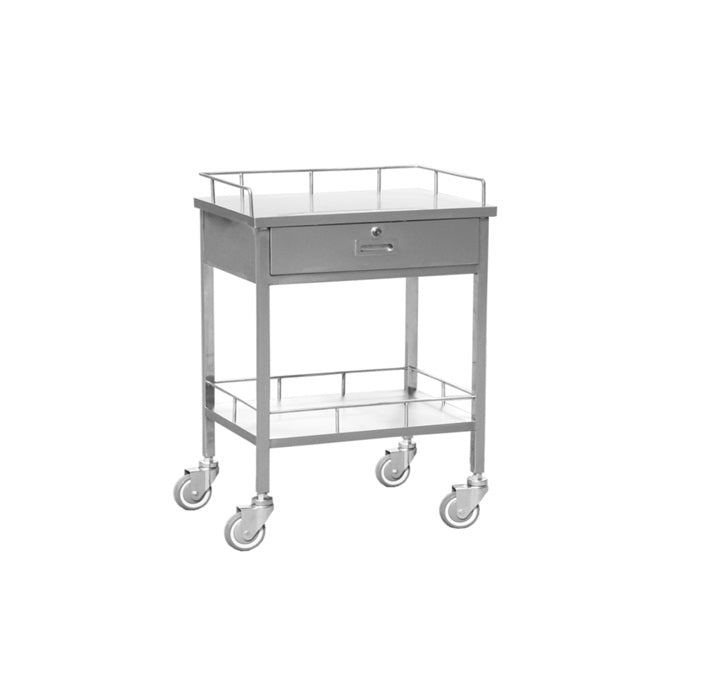
Stainless-steel trolley option for clinical instrument workflows.
View product →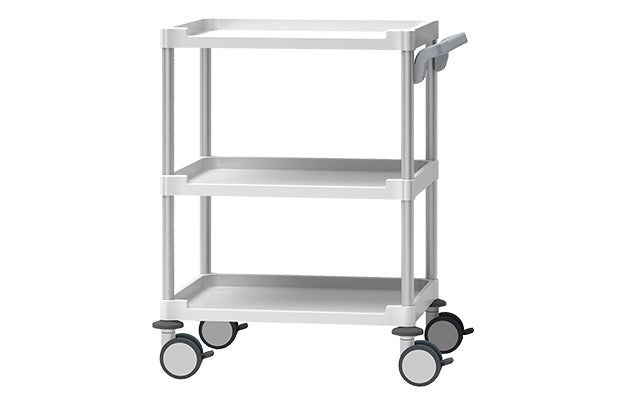
Explore an additional mobile instrument-handling configuration.
View product →Choose based on risk, value, loss patterns, procedure needs and workload. A hybrid model is often practical.
Purpose-designed tags may be rated for sterilisation, but validate the exact tag, attachment and cycle used by your facility.
Identification technology records identity and events; physical inspection remains necessary. Software can prompt and document inspection or repair.
Create a temporary identity, ownership record, expected return and complete receiving and decontamination workflow before clinical use.
Use a documented manual fallback with later reconciliation. Test downtime and recovery during acceptance testing.
A well-designed record can connect tray or instrument identity with sterilisation cycle, location and procedure information, subject to the configured integrations.
Rife Medical can discuss furniture, movement and smart-inventory requirements for sterile-supply projects.
Request consultationWe are on hand to quickly give you pricing, more information, or help choose the right medical furniture, cart, cabinet, or storage solution for your requirement.