
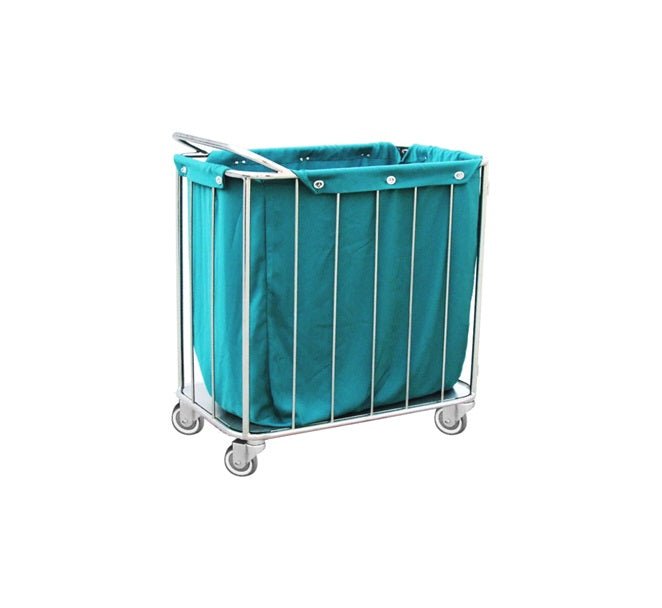
Dual-Bag Laundry & Linen Trolley
Supports segregated linen transport.
View product →
Plan textile identity, laundry read points, lifecycle records and clean-soiled movement across the hospital.
Discuss your requirementRFID can reduce manual counting and provide textile movement history, but the project must begin with linen ownership, dispatch, return, wash, retirement and exception processes.
Prioritise reusable items where loss, manual counting or lifecycle information justifies tag and infrastructure cost.
Test sew-in or heat-applied textile tags through the exact wash, dry, press and chemical processes. Confirm comfort and attachment quality.
Map clean dispatch, ward receipt, soiled return, laundry intake and processing. Prevent unintended reads between adjacent flows.
Track issue, return, wash cycles, damage and retirement; define ward-level par alerts and ownership for shortages.
Tag a representative textile class, validate read accuracy and staff workflow, then expand through normal replacement cycles.
Supports segregated linen transport.
View product →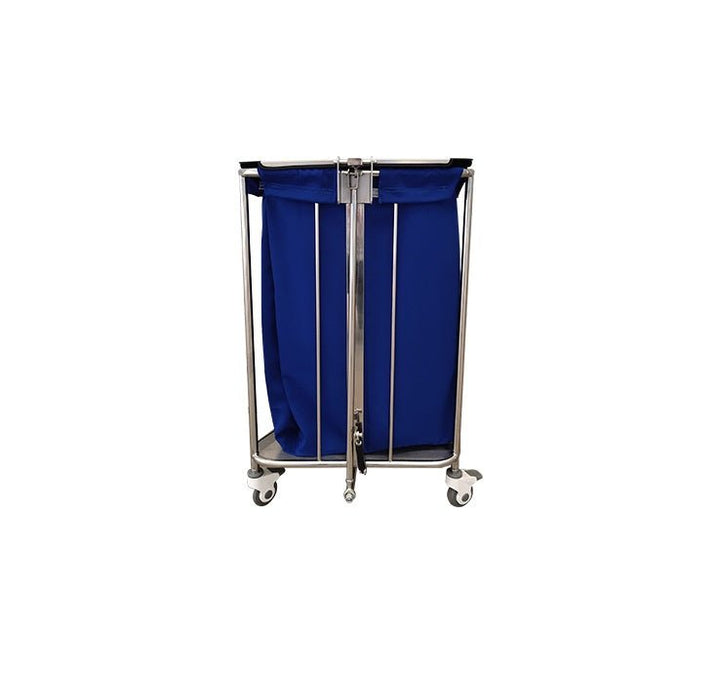
Compact stainless-steel linen collection format.
View product →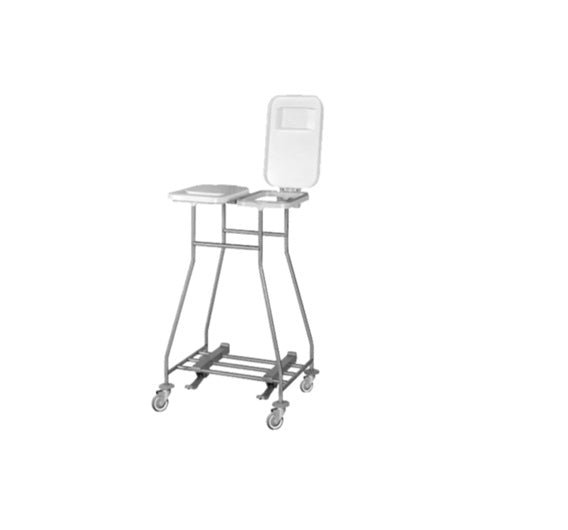
Hands-reduced operation with dual bags.
View product →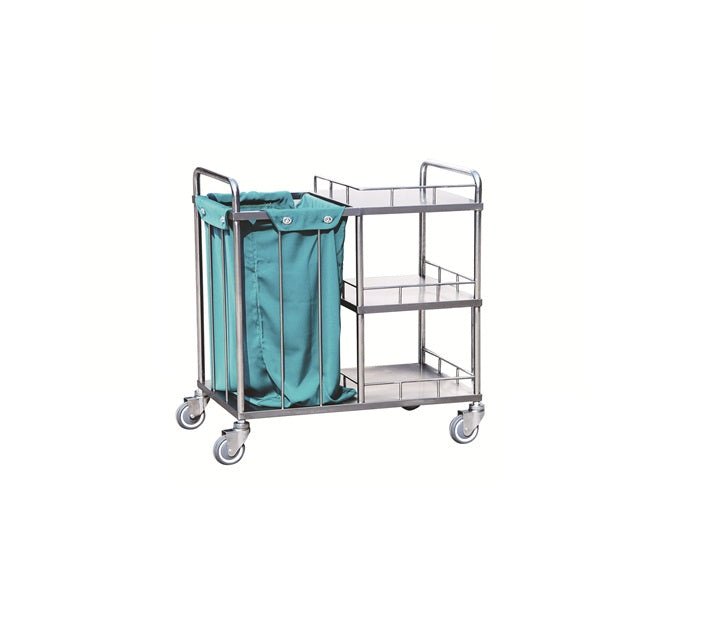
Shelves and linen bags for housekeeping workflows.
View product →Only tags validated for the exact temperature, chemicals and mechanical process should be approved.
Use phased tagging during stock rotation or a planned inventory project with quality checks.
Yes if dispatch and return events are captured consistently by location.
Create an exception process for identification, re-tagging or retirement.
Compare tag and process cost with loss, counting labour and item value.
Often yes, if tag standards, reader design and software categories support both.
Provide textile classes, laundry process, volumes and hospital movement points for an RFID workflow assessment.
Request consultationWe are on hand to quickly give you pricing, more information, or help choose the right medical furniture, cart, cabinet, or storage solution for your requirement.