
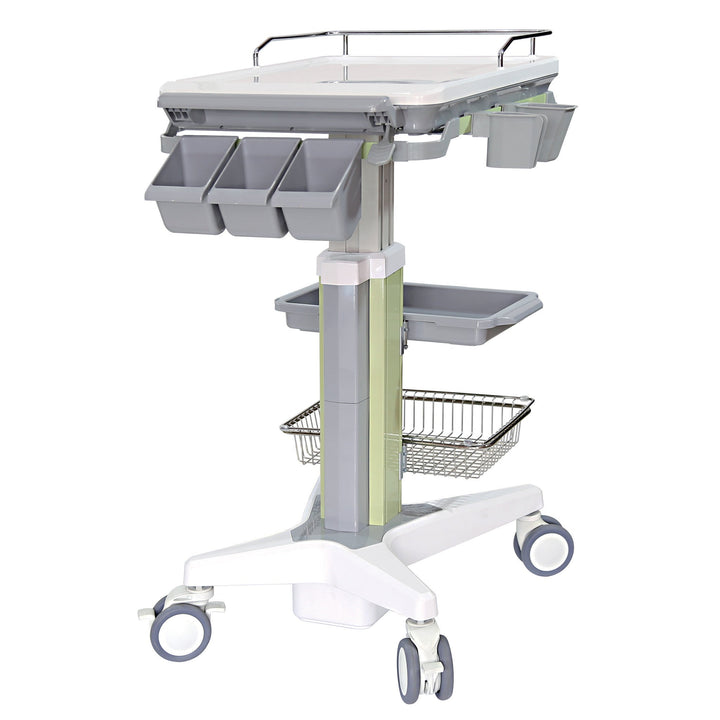
Nurse Treatment Cart MC-N
A treatment cart for comparing mobile-storage lifecycle costs.
View product →
Compare purchase, operation, downtime and end-of-life costs on a consistent basis.
Discuss your requirementPurchase price is only one line in the cost of a cart or cabinet. A fair total cost of ownership model includes acquisition, installation, training, cleaning, maintenance, consumables, technology support, downtime, reconfiguration and retirement over the same evaluation period.
Use the same service life, quantity, operating hours, site conditions and included scope for every option. State which costs are estimates and who owns them. Avoid mixing a basic product quote with a fully installed alternative.
Include freight, taxes where applicable, site surveys, accessories, assembly, installation, IT integration, validation and initial training. For powered carts, include batteries, chargers and electrical or network readiness.
Estimate cleaning time, inspections, preventive maintenance, battery or consumable replacement, software/support fees and periodic training. Use real labour and service assumptions from the hospital rather than generic percentages.
Record likely failure points, service response, spare availability, temporary replacement and the operational consequence of unavailable equipment. Model downtime separately so it is visible rather than hidden inside a maintenance allowance.
Include costs for relocation, new accessories, drawer or lock changes, software migration, data removal, refurbishment and disposal. Residual value should be counted only when there is a realistic recovery route.
A treatment cart for comparing mobile-storage lifecycle costs.
View product →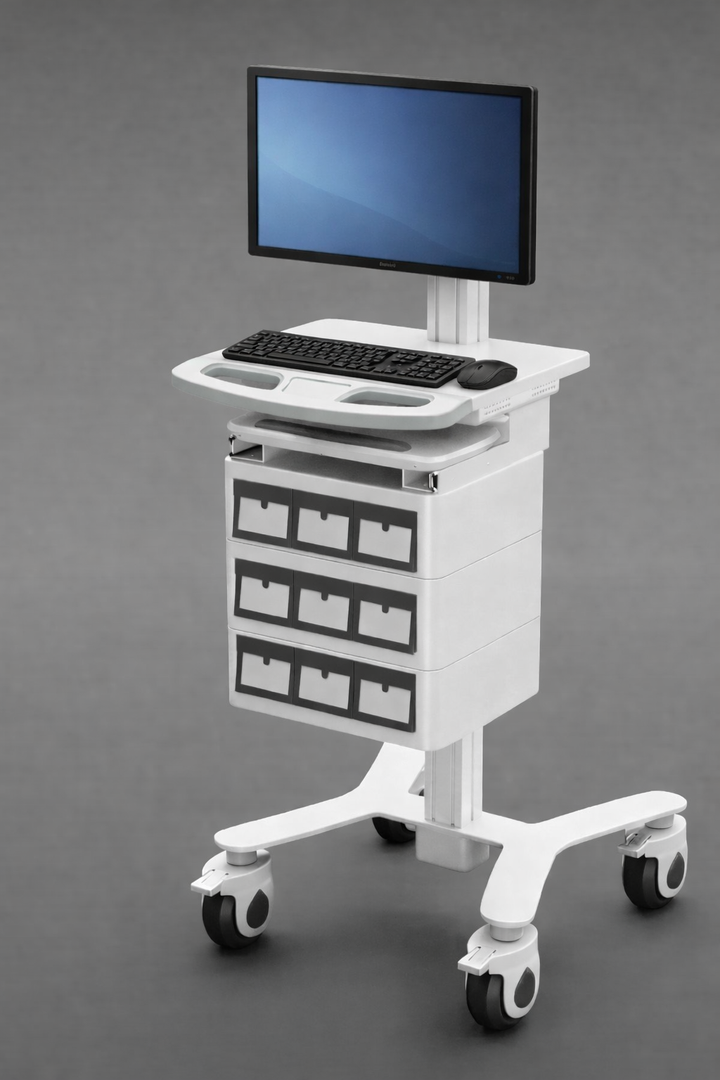
A powered computing cart whose TCO should include technology and battery support.
View product →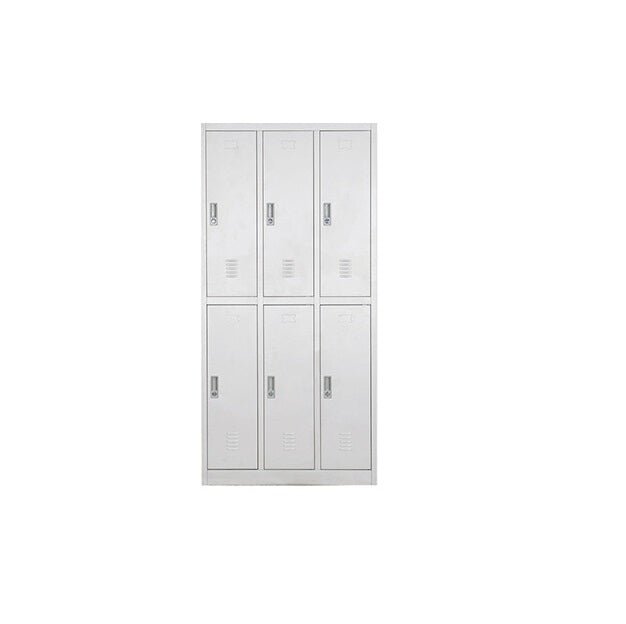
A fixed cabinet option for installed storage cost comparison.
View product →Use the hospital's realistic planning and replacement horizon, and test a shorter and longer service life.
Yes, where a product changes cleaning, charging, searching, replenishment or maintenance workload.
Measure the operational consequence: replacement rental, staff delay, cancelled use or extra travel. Keep assumptions visible.
Yes when connected features require subscriptions, hosting, licences, support or integration maintenance.
Include expected replacement cycles, charging equipment, disposal and the downtime or spare strategy.
No. Cost must be considered alongside safety, workflow, required performance and risk. TCO improves the comparison; it does not replace clinical judgement.
Ask Rife Technologies for an itemised product quotation and service assumptions you can place into your hospital's TCO model.
Request consultationWe are on hand to quickly give you pricing, more information, or help choose the right medical furniture, cart, cabinet, or storage solution for your requirement.