
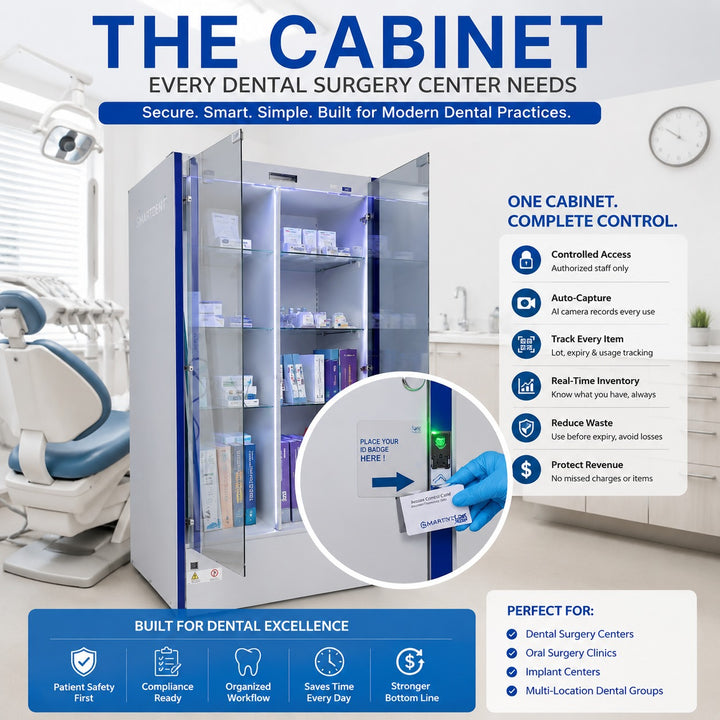
SmartDent Pro RFID Dental Inventory Cabinet
Smart inventory storage for dental consumables and project-specific tracking.
View product →
Plan clean, ergonomic and scalable storage around real dental procedures and instrument flow.
Discuss your requirementDental cabinetry shapes every movement between patient, clinician, assistant and instrument-processing area. Select it by mapping procedures and clean-to-dirty flow first, then confirm dimensions, materials, hardware and services.
Separate treatment-room storage, instrument processing, consumables, medicines, laboratory work and housekeeping. Clean items should not cross dirty return paths. Locate frequently used items inside a comfortable working envelope.
Check seated access for clinician and assistant, knee clearance, drawer opening, equipment reach and safe circulation. Test left- and right-handed workflows if both are expected. Cabinet doors should not obstruct patient or staff movement.
Size drawers around procedure kits, cassettes and actual supply packs. Shallow drawers improve visibility for small items; deeper drawers suit bulk stock. Use adjustable dividers and consistent labelling to support standardisation.
Specify smooth, moisture-resistant, cleanable surfaces and protected edges. Confirm compatibility with the clinic's disinfectants. Minimise inaccessible seams and exposed joints near sinks and clinical work surfaces.
Coordinate sinks, taps, suction, air, power, data, imaging and device ventilation before manufacture. Provide service access without dismantling large cabinet sections. Keep electrical components protected from water zones.
Smart inventory storage for dental consumables and project-specific tracking.
View product →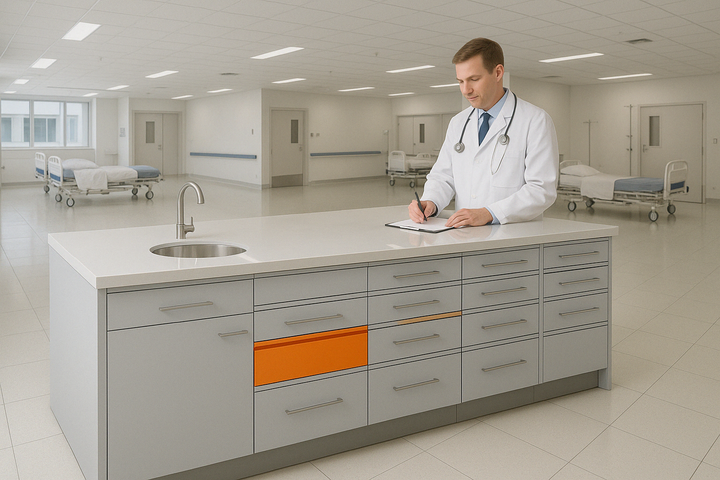
A modular sink, work-surface and drawer configuration.
View product →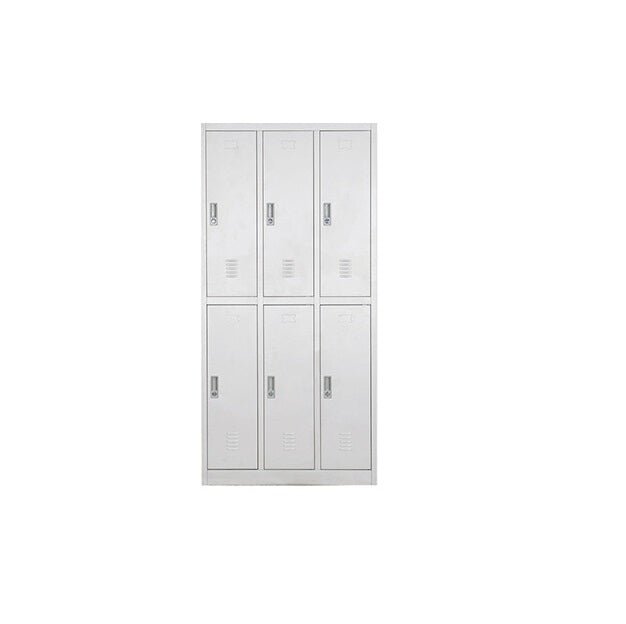
Enclosed cabinet storage for compatible clinic areas.
View product →Use standard modules where they fit the workflow and reserve custom work for verified room, service or equipment constraints.
Use the shallowest drawer that comfortably holds the intended kit or pack; this improves visibility and reduces stacking.
Clinical settings demand materials, details and hardware suited to frequent cleaning, moisture and professional use. Evaluate those requirements explicitly.
Place daily-use items close to the procedure, reserve bulk stock for a separate replenishment zone, and keep clean supplies away from dirty returns.
Consider them when stock value, expiry, replenishment workload or traceability justifies the change. Pilot with real items first.
Final dimensions, services, equipment interfaces, finishes, handles, locks, internal layouts and installation responsibilities.
Share your dental room plan, equipment schedule and procedure list with Rife Technologies for a cabinetry configuration review.
Request consultationWe are on hand to quickly give you pricing, more information, or help choose the right medical furniture, cart, cabinet, or storage solution for your requirement.